AGP Executive Report
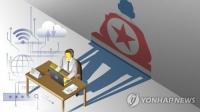
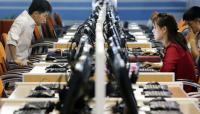
Last update: 26 minutes agoAI Cybersecurity: A bipartisan U.S. bill names North Korea among countries of concern and would task NIST with developing voluntary defenses against AI-enabled attacks. Cyber Threats: Security researchers report suspected North Korean scanning of servers exposed to critical PHP2Shell flaws. North Korean operatives are also posing as remote workers to gain access to Western companies, while Lazarus-linked campaigns have adopted post-quantum encryption. Crypto Theft: Washington is allowing vetted private firms to help counter North Korean crypto theft, widening the response beyond government agencies. Military Technology: Analysts warn that Russian assistance could accelerate North Korea’s missile and drone programs. Kim Jong Un’s visit to a Dandong bus factory, including its electric-vehicle section, also signaled interest in expanding industrial cooperation with China.
Note: AI summary from news headlines; neutral sources weighted more to help reduce bias in the result. Feedback is welcome. Please let us know if you have any comments or suggestions about the AGP Executive Report.
 Perspectify News